
It all starts with counting.
In TV advertising, counting is the first principle — the signal measurement and reporting rely on.
When you know what counted, everything else adds up.

CTV1 connects the broad count of where ads ran with the verified count of where screens confirmed delivery — giving marketers a clearer, more accountable view of campaign delivery.

The gap isn’t measurement — it’s counting.
Broadcast and streaming systems can tell you where and when an ad ran. What they can’t always confirm is delivery at the individual screen.

Video advertising today spans live broadcast, streaming apps, and connected TV. A single campaign can run across markets, platforms, and screens — often at the same time.
But the way those ads are counted hasn’t evolved at the same pace.
Each system counts delivery differently. Some infer. Some model. Some aggregate. Very few confirm.
The result isn’t a lack of data — it’s a lack of alignment. Ad ID’s don’t match. Reports conflict. And confidence breaks down, especially at the device or what we like to call, the “glass level” — the TV device where the ad was actually seen.
What’s missing isn’t more data.
It’s a shared way to count delivery.

One open watermark.
One shared count.
Two verified perspectives.
CTV1 uses a single, open watermark and a standardized ad identity (ACIF Universal Ad ID) to create one shared count that is independently verifiable at both the campaign and device level — grounded in observed delivery rather than modeled estimates, and not dependent on closed or proprietary measurement systems.
Campaign-Level
Where TV ads ran across campaigns and markets.
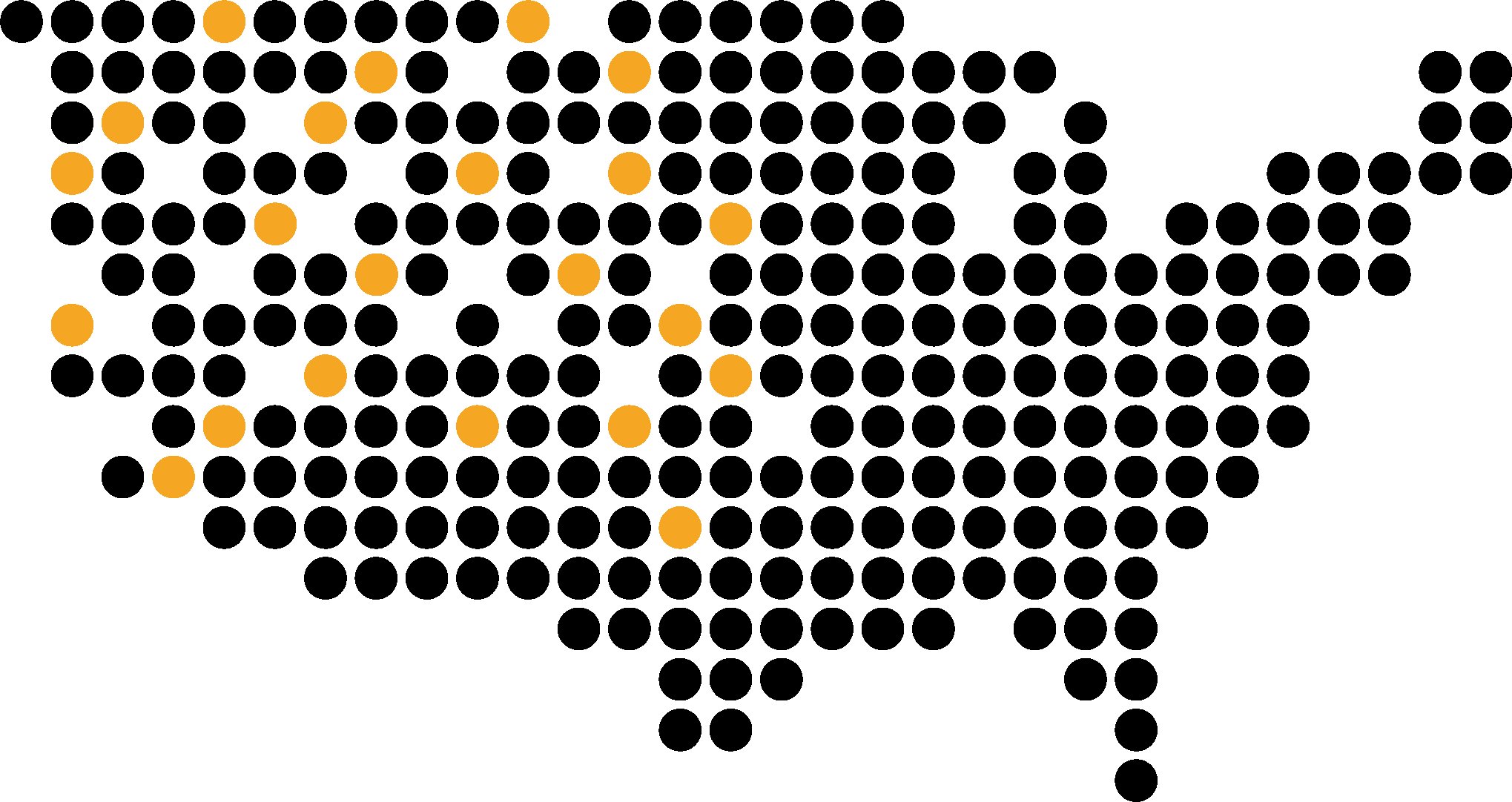
A real count of campaign delivery across markets, regions, and ZIP codes — designed to scale across broadcast and connected TV, and grounded in schedules and execution, not modeled reach or inferred audiences.
This count answers a simple question:
Where did the campaign actually run?
It does not estimate who saw the ad, how it performed, or what happened next.
Device-Level
Where delivery was confirmed at the individual screen.
A verified count of delivery events emitted by individual screens — recorded at the moment an ad appears.
This count confirms delivery screen by screen enabling precise reach and frequency calculations downstream — without inferring audiences or modeling behavior.
It does not identify viewers, profile households, or attribute outcomes.
No identity.
No targeting logic.
No measurement modeling.
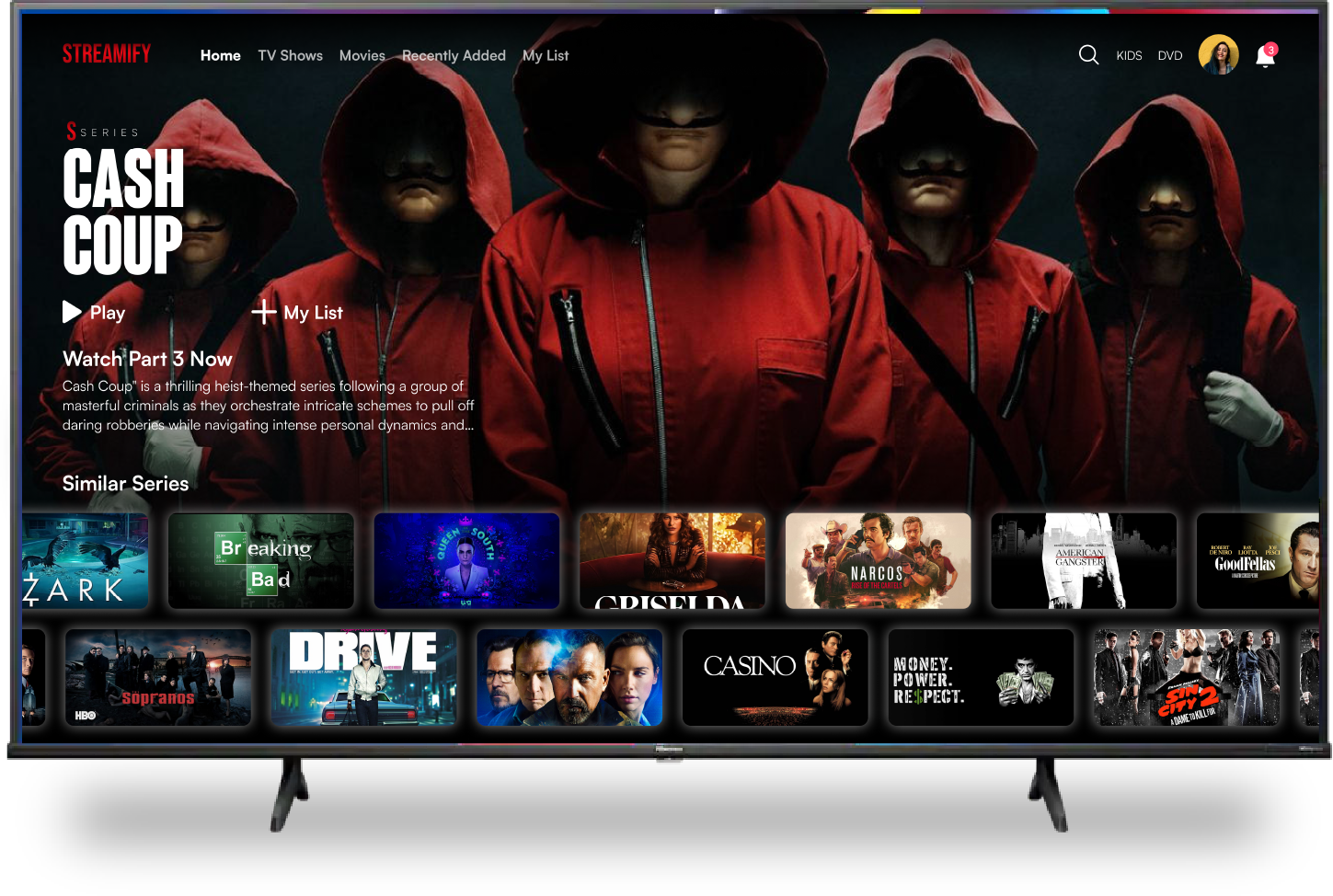
ACIF Universal Ad ID provides a shared, open reference for identifying ads across systems — enabling delivery to be counted consistently across broadcasters, OEMs, platforms, and measurement partners without requiring proprietary integrations.
Built for the entire TV advertising ecosystem.
Different roles. Common signal.
Better outcomes for everyone downstream.
CTV1 isn’t designed for a single stakeholder. It’s designed to align an ecosystem that depends on a shared understanding of delivery.
By separating counting from measurement, CTV1 allows each partner to do what they already do best — with a more reliable signal underneath.
OEMs
CTV1 enables device-level confirmation without changing your business model.
Confirm delivery at the screen
Emit privacy-safe signals
Participate in industry standards
Avoid measurement, attribution, or identity decisions
CTV1 makes OEM participation more valuable — without adding risk.
Broadcasters &
Publishers
CTV1 closes the gap between schedules and screens.
See where campaigns actually ran
Understand delivery across markets and ZIPs
Complement existing reporting with device-level confirmation
CTV1 adds clarity without disrupting existing workflows.
Brands &
Agencies
CTV1 provides a cleaner starting point for performance.
Know where campaigns ran
Know where delivery was confirmed
Reconcile reporting across systems with greater confidence
CTV1 helps teams start from what actually happened — before optimizing anything else.
Measurement & Reporting Partners
CTV1 provides a shared, deterministic input.
A consistent count upstream
Cleaner signals into existing models
Less reconciliation noise downstream
CTV1 strengthens measurement by improving the signal it’s built on.